

A second outbreak of bird flu has been confirmed in Scotland’s biggest egg producer, raising concerns as the virus continues to spread in parts of the border.
Birds at Millennium Farm, Glenrath Farms near West Linton, tested positive for bird flu over the weekend. The culling of 200,000 birds was ordered.
The latest case comes less than a month after the first local case was confirmed, and is the fourth confirmed case in the area since mid-December.
Tens of thousands of birds have already been culled following the recent incident, and extensive and strict biosecurity measures and movement restrictions are now in place between Peebles and Penicuik.
Scotland’s chief veterinary officer said the detection involved the H5N1 strain, the main type of bird flu seen in recent years.
A 3km protection zone and a wider 10km surveillance zone were imposed around the affected sites.
Bird keepers in the zone are required to closely monitor their flocks for signs of disease, keep records of birds and visitors, and report any concerns immediately.
The first cases in the area were reported in the week before Christmas on land that straddles the border between the Borders and Midlothian. Since then, another case has been detected near Blairgowrie in Perth and Kinross, as well as three more locally confirmed cases.
Scotland’s deputy chief veterinary officer, Jesus Gallego Garnica, said the rise in cases reflected well-known seasonal trends rather than an unexpected spike.
“Bird influenza is seasonal, it’s a winter disease, and it’s following the pattern we’ve seen in recent years, with the number of cases expected to increase around December and January,” he said.
He said producers could reduce risks by strengthening biosecurity on farms, but warned there were limits to what could be controlled when infections were linked to contact with wild birds.
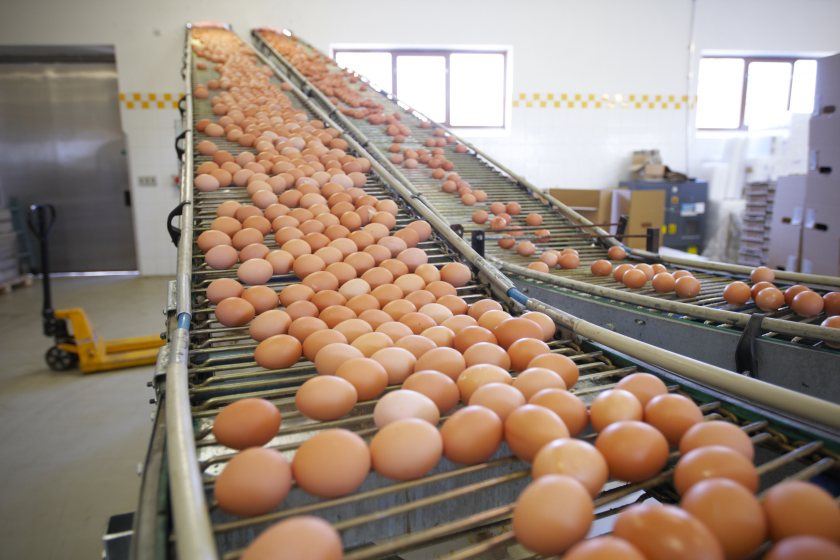
Glenrath Farms is a family run business founded in the Borders in 1959 and is one of the UK’s leading egg producers, supplying over one million eggs a day.
Industry figures show that nearly 12 billion eggs are imported a year, with an estimated further 2 billion imported, still a small proportion of the UK’s total egg production.
The company has been asked to comment on how this incident will affect its management.
Nick Allen, chief executive of the British Egg Industry Council, said the industry’s focus remained on animal welfare and security of supply. “Any outbreak is extremely unfortunate and our sympathies go to the producers who are going through a very difficult time,” he said.
He added: “Protecting the health and welfare of the animals remains our top priority and the situation is being managed in line with established biosecurity and disease control procedures.”
Regarding supply, Allen said: “From a supply perspective, the domestic spawning herd is larger and more stable than it has been in recent years. As a result, we expect availability to remain normal for consumers.”
Veterinary authorities said surveillance and testing will continue in the coming weeks as they remain focused on preventing further spread.
