

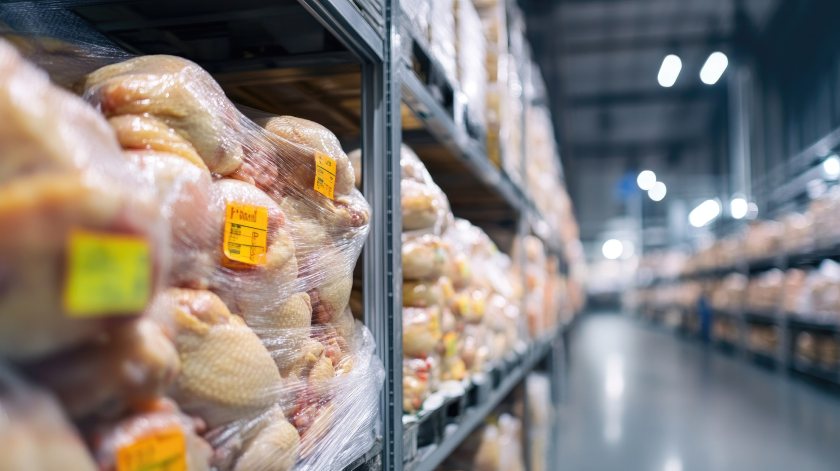
More than half a million pounds worth of stolen poultry has been removed from the supply chain following a food fraud investigation, prompting fresh warnings for businesses to remain vigilant against criminal activity.
The case, led by the Food Standards Agency’s National Food Crime Unit (NFCU), resulted in a prison sentence and renewed vigilance across the food industry.
On Tuesday (January 27), Liam Dooney, 53, from Wigan, was jailed following a joint NFCU investigation into food fraud.
At Bolton Crown Court, Dooney was sentenced to two years and six months in prison for handling stolen goods worth more than £500,000.
He must spend at least half of his sentence in custody and was also disqualified from being a company director for seven years.
Mr Dooney previously ran a food cold storage business in the Wigan area. He had previously pleaded guilty to handling stolen property and was granted bail before being sentenced.
The investigation uncovered a series of crimes in which fraudsters impersonated legitimate UK food companies to secure deliveries of chicken from overseas suppliers and one UK-based supplier.
Details cloned from McDonald’s franchises were used to obtain chicken and turkey consignments, which were then stolen and diverted into illicit distribution.
A total of 16.8 tons of poultry were recovered during the survey. However, due to the loss of traceability, the product could no longer enter the human food chain and had to be downgraded to pet food.
FSA NFCU Director Andrew Quinn said the judgment sent a clear message to the industry. “We are satisfied with this prison sentence as it shows there is no place for any form of criminal behavior in the food industry.”
The department said it was working closely with industry to reduce the risk of theft turning into fraud. “We will work with our partners to support the industry in fulfilling its responsibilities and minimize the risk of food theft leading to food fraud.”
Mr Quinn said the case was a complex one involving Greater Manchester Police, Wigan City Council and the Crown Prosecution Service.
He warned businesses to remain wary of suspicious offers. “Food companies need to be alert to and prevent the risk of food fraud,” he said.
Quinn added that businesses can protect themselves by carrying out checks on their suppliers and customers. “Food businesses can help avoid becoming victims of theft by conducting due diligence on their suppliers and customers.”
He said NFCU has “advised hundreds of businesses on how to become more resilient to fraud so that consumers can claim that the food they buy is safe and that it is.”
The FSA is urging anyone who suspects food fraud to report their concerns, stressing that early reporting will protect both consumers and legitimate businesses.
