

SpaceX has acquired Elon Musk’s artificial intelligence startup xAI, creating the world’s most valuable private company, the spaceflight company announced Monday.
Musk, who is also SpaceX’s CEO, said in a memo posted on the rocket company’s website that the merger is primarily about creating a space-based data center, an idea he has been fixating on in recent months.
“Current AI advances rely on large terrestrial data centers that require enormous amounts of power and cooling. The global power demand for AI cannot be met by terrestrial solutions without imposing hardship on local communities and the environment, even in the short term,” he wrote. (xAI is blamed for imposing some of those hardships on communities near its Memphis, Tennessee, data center.)
The deal will value the combined company at $1.25 trillion, according to Bloomberg News, which first reported on the completed deal. SpaceX is reportedly preparing for an IPO as early as June of this year. It’s unclear whether the merger will affect that schedule. Musk did not mention the IPO in his public memo.
The merger brings together two of Musk’s companies, each with its own financial challenges. According to Bloomberg, xAI currently consumes about $1 billion per month. Meanwhile, SpaceX derives 80% of its revenue from launching its Starlink satellites, according to Reuters. Last year, xAI acquired social media company X, also owned by Musk, at a combined valuation of $113 billion.
Musk wrote in the memo that building these space-based data centers would require a continuous flow of large numbers (though he didn’t specify how many) of satellites, ensuring SpaceX has even greater recurring revenue for the foreseeable future. (This revenue loop looks even more attractive when you consider that satellites are required to be deorbited every five years by the Federal Communications Commission.)
Space data centers may be the stated goal, but SpaceX and xAI have very different short-term goals.
tech crunch event
boston, massachusetts
|
June 23, 2026
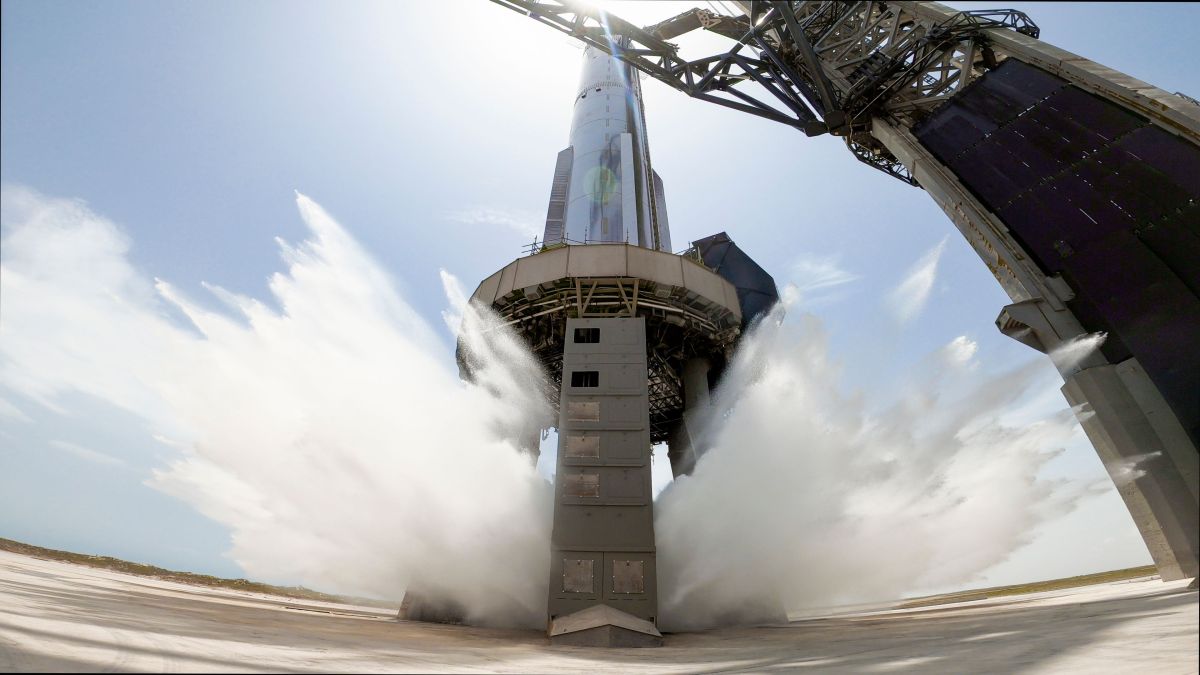
SpaceX is currently trying to prove that its Starship rocket can take astronauts to the moon and Mars, while xAI is competing with major artificial intelligence companies such as Google and OpenAI. The pressure on xAI has been so great that Musk has eased restrictions on the company’s chatbot Grok, the Washington Post reported on Monday. This helped xAI become a tool for AI-generating non-consensual sexual images of adults and children.
Mr. Musk is also responsible for Tesla, The Boring Company, and Neuralink. Tesla and SpaceX previously invested $2 billion each in xAI.
