

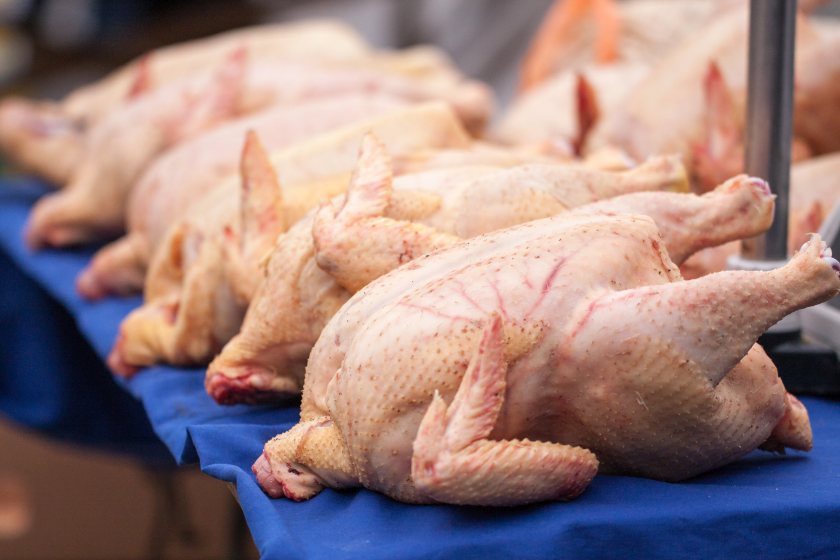
Seven of Britain’s biggest supermarkets have responded to requests from more than 100,000 shoppers to exclude the sale of chlorinated chicken, but only a minority have given full guarantees.
Amid renewed debate over US-UK trade negotiations, campaign group 38 Degrees has contacted 11 major retailers to warn them that stocking chlorinated chicken in stores is a “red line” for consumers and could undermine food standards, which is currently prohibited by UK law.
Supermarkets were given a deadline of February 2 to confirm whether they would commit to never stocking the product.
Four retailers have issued firm guarantees: Aldi, Asda, Co-op and Waitrose.
Asda said it would “never stock” chlorinated chicken or hormone-treated beef, while Aldi reaffirmed assurances it would not lower its standards even if the law changed.
The co-op said such products were “categorically banned” from its stores, and Waitrose said it “remains committed to British farmers and will no longer source produce from overseas industrial farming systems, including chlorinated chicken.”
Three other supermarkets (Iceland, Morrisons and Sainsbury’s) said they currently do not sell chlorinated chicken and have no plans to do so, but have stopped short of eliminating it completely in the future.
Sainsbury’s said: “We do not sell, and have no plans to sell, chlorinated chicken or hormone-treated meat.”
Iceland said it had “no plans” to introduce chlorinated chicken, but Prime Minister Scott Morrison pointed out that these products were “currently illegal”.
Four major retailers – Tesco, Marks & Spencer, Lidl and Ocado – failed to respond publicly by the deadline set by activists.
The British Retail Consortium responded on behalf of the wider retail industry: “Retailers control their supply chains to ensure that food is produced to standards that exceed legal requirements.
“Consumers are driving market demand and regardless of future trade agreements, retailers will not change their commitment to high standards.”
Campaigners say the issue is re-emerging as trade talks raise questions about whether food standards will be diluted as part of a wider economic deal.
A poll conducted by Savanta and commissioned by 38 Degrees found that 68% of people oppose bringing chlorinated chicken and hormone-treated meat into the UK, even if it would help secure a major US-UK trade deal. Only 9% said they supported such a move.
38 Degrees chief executive Matthew McGregor said the responses showed supermarkets were under pressure from their own customers.
“British supermarkets are nothing without customers, and 102,820 of them are asking for a pledge to never buy chlorinated chicken when they walk into their local store,” he said.
“Now I know where most supermarkets are.”
He welcomed firm commitments from some retailers, but criticized others for not eliminating substandard imports.
“Aldi, Asda, Co-op and Waitrose have drawn a clear red line to customers on this issue,” he said. “But it’s disappointing to see other major supermarkets balking at going that far.”
“In particular, Tesco, M&S, Lidl and Ocado are failing shoppers because they have not made public commitments to these customers.”
Mr McGregor said campaigners would now update supporters on which supermarkets were offering solid guarantees and leaving the door open to future changes.
For UK poultry producers, the debate highlights concerns that changes to import rules could undermine domestic standards and investment, even though chlorinated chicken remains illegal under current law.
