

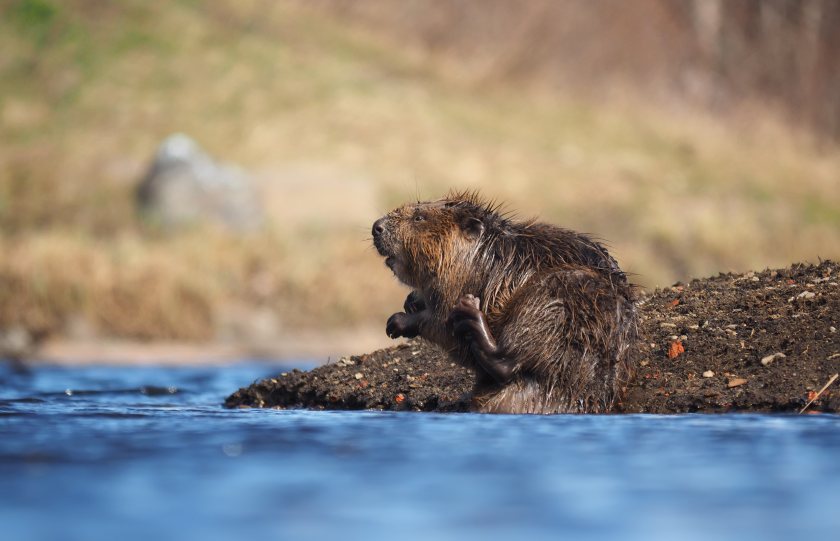
Farmers in south-west England are being urged to undertake new plans to reintroduce wild beavers after Natural England approved two more licenses for releases due to take place in the coming weeks.
The new project forms part of the government’s wider program to recover the species, with Natural England stressing that releases will be carefully managed to benefit the environment while minimizing potential impacts on agriculture, drainage and rural infrastructure.
The approval follows the Eurasian beaver being allowed to be released into the wild for the first time in Dorset last year, following a landmark government decision to allow reintroductions for the first time in centuries.
Beavers are widely known as ecosystem engineers, slowing the flow of water, improving water quality, and creating wetlands and natural flood defenses that support biodiversity.
However, their return also raises practical questions for land managers, particularly regarding the potential impact of dam construction on ditches, culverts, grazing lands, and lowland agricultural land.
Natural England said wild stocking projects must demonstrate a robust long-term plan, including a 10-year management framework and local engagement with communities and landowners, before a license is granted.
Natural England chief executive Marian Spain said: “The reintroduction of beavers to south-west England is an important milestone with the potential to make a big difference to the region’s natural recovery.”
She added: “The success of the beaver return depends on a well-planned collaborative project built on engagement and trust.”
Nature Minister Mary Cree said the species could have benefits for landscapes and water management.
“Beavers provide extraordinary benefits to our natural landscape,” she said, adding that beavers help “reduce the effects of floods and droughts and improve river water quality.”
The Environment Agency said it had formed two new projects in partnership with Natural England to maximize profits while managing flood risk and fishing challenges.
Jenny Ballmer, deputy director for nature recovery, said: “These carefully planned releases promise a huge win for people and nature.”
Natural England said it had taken steps to reduce conflicts with agriculture, food production and infrastructure and that licenses would only be granted if the benefits outweighed the risks.
The organization has identified 32 projects that could meet the criteria for future wild release, 11 of which have already been invited to apply under a phased approach designed to give local communities and land managers time to adapt.
Earlier this week, Natural England also launched the Beaver Considerations Assessment Toolkit, a mapping tool developed in conjunction with the Environment Agency to help landowners assess the suitability and potential impacts of waterways across England.
