

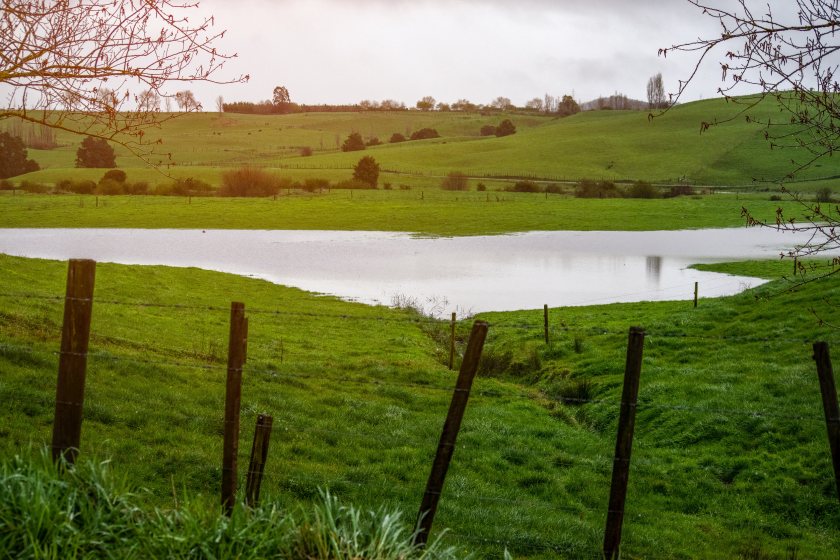
Farmers across England are facing a fresh risk of flooding after weeks of persistent rain, with no sign of letting up, with further heavy rain predicted.
There are over 100 flood warnings in place across England, with over 180 flood warnings still in place as of midday on Monday 9 February.
Saturated ground and already swollen rivers are increasing the risk of further flooding.
Rural leaders have warned that the timing could not have been worse, with the flooding coming at a time when many farming operations are already reeling from poor profits and difficult growing conditions.
The Country Land and Business Association (CLA) said continued wet weather was increasing pressure on farm incomes and undermining confidence across the farming sector.
CLA chairman Gavin Lane said farmers were being squeezed from all sides.
“Grain prices are at rock bottom, often below the cost of production. Milk prices are not going down either,” he said.
He said recent inheritance tax reforms were having a chilling effect on investment, while uncertainty around future funding was adding to the burden.
“We face uncertainty over the financing of environmental initiatives as inheritance tax reform forces a fall in investment,” Mr Lane said.
The threat of flooding comes again following what he said was a very difficult year for many producers.
“After an incredibly dry summer with poor yields and no profits, this prolonged period of heavy rain is the last thing we need,” he said.
On the ground, farmers are dealing with waterlogged land, delays in field work and the risk of crop loss amid harsh winter conditions.
Research commissioned by Defra highlights the financial impact, estimating that winter flooding costs farmers an average of £480 per hectare.
For arable land and horticulture operations, losses can be significantly higher, with costs estimated to be two to four times that level.
For many farms, this equates to thousands of pounds offsetting already tight profit margins.
With flood warnings still in place and more rain expected, farmers fear further damage in the coming days as the sector’s overall resilience is already reaching breaking point.
