

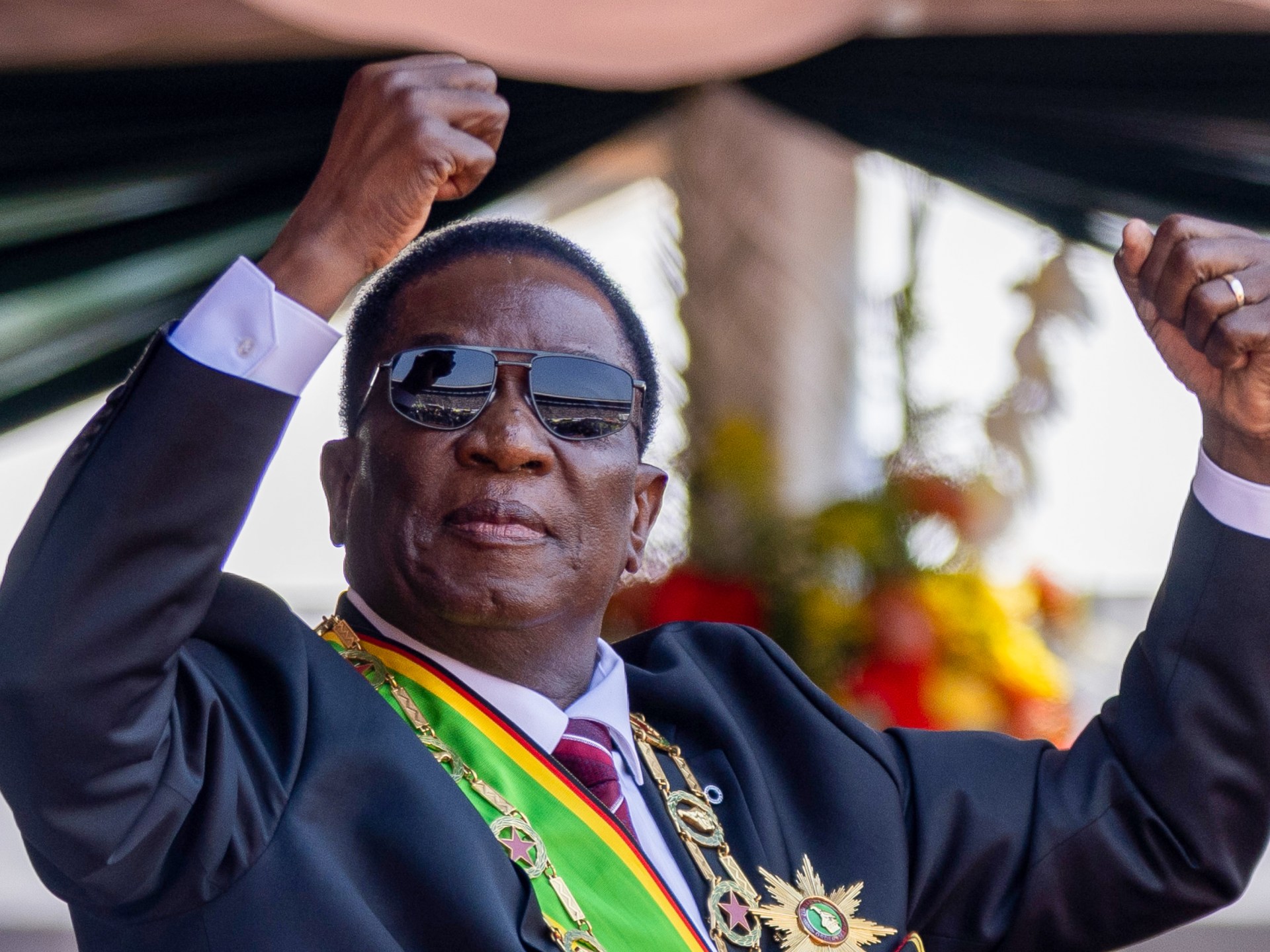
President Mnangagwa, 83, is currently scheduled to retire in 2028 after completing two five-year terms.
listen to this article3 minutes
information
Published February 10, 2026
Zimbabwe’s cabinet has backed a constitutional amendment bill that will allow President Emmerson Mnangagwa to serve in office until 2030, extending the presidential term from five to seven years.
Other proposed changes to the bill submitted to Cabinet on Tuesday include a provision for the president to be elected by parliament rather than by a direct popular vote.
Recommended stories
list of 4 itemsend of list
Other measures include allowing the president to appoint 10 more senators and increasing the number of Senate seats to 90.
Justice Minister Ziyambi told a press conference that the bill will be sent to the Speaker of Parliament and published in the Official Gazette before being considered by MPs.
A cabinet statement said the passed amendments would “increase political stability and policy continuity and enable the implementation of development plans to completion.”
Mnangagwa, 83, is currently scheduled to serve two five-year terms before retiring in 2028, sparking a succession battle within the ruling ZANU-PF party over who will take his place.
He came to power after the military ousted longtime leader Robert Mugabe in 2017, but opposition politicians have criticized his party’s efforts to extend his term.
The ruling party’s “2030 Agenda” had been under consideration for several months before it was announced as the party’s position, and opposition parties had pledged to “protect the Constitution from being usurped.”
Jameson Timba, a senior leader in the southern African country’s fractured opposition movement, said ministerial approval of the changes was “politically destabilizing”.
He said in a statement that a group called the Constitutional Defense Platform would immediately consult lawyers and brief regional and international partners as part of its efforts to oppose the changes.
call for a referendum
ZANU-PF has ruled Zimbabwe since independence from Britain in 1980.
The party has a two-thirds majority in the lower house and overwhelming control of the upper house through traditional leaders and other proxies who generally vote with the party, allowing it to amend the constitution.
Analysts and opposition figures say any changes to the constitution would also require a referendum.
Opposition politician David Coltart said: “Any amendment that has the ‘effect’ of extending the term of office of an incumbent should be put to a referendum.” “They will do everything in their power to prevent the referendum from taking place, because they know that it will fail.”
Mr Mnangagwa, who was elected in 2018 and re-elected in 2023, has been accused of condoning rampant corruption and suppressing human rights while Zimbabweans endure hardship despite economic growth.
Over the past few months, attempts to demonstrate against his plans to continue in office have been met with a police crackdown and many people have been jailed.
