

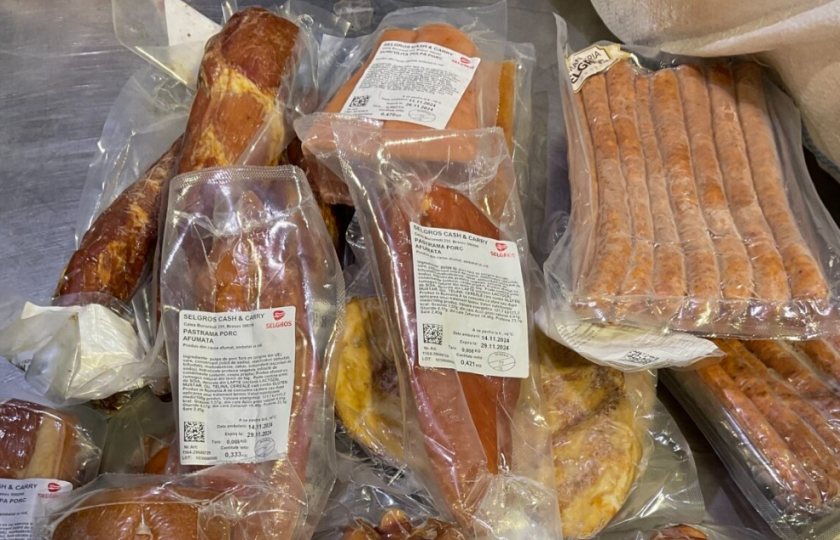
A record 34 tonnes of illegal meat was intercepted at the port of Dover in January, prompting fresh alarm over escalating smuggling into the UK and the threat it poses to farm biosecurity.
Following outbreaks of African swine fever and foot-and-mouth disease in continental Europe, concerns have been raised about the risk of serious animal diseases spreading to UK livestock due to increased hunting.
The Dover Port Health Authority (DPHA) announced that January’s seizures were the largest in a single month on record.
The total is much higher than previous January figures, with officers seizing just under 8.5 tonnes in January 2024 and 24.5 tonnes in January 2025. It also broke the monthly record of 20 tons set in September 2025.
DPHA warned that illegal imports continue to soar. In November, authorities confirmed that the total seizures at the port since September 2022 exceeded 300 tonnes, a figure that has increased significantly since then.
Concerns have also been raised about the resources needed to address this issue.
DPHA is still awaiting 2026/27 funding from Defra to continue enforcement work at the port.
Dover District Council leader Kevin Mills called for “more staff” and urged ministers to act on the recommendations of the Environment, Food and Rural Affairs (EFRA) Committee’s report into the illegal meat crisis, published in September last year.
EFRA chairman Alistair Carmichael warned of the “potentially dire consequences” if the issue was not tackled.
Defra said it remained “fully committed” to protecting the UK’s biosecurity and agricultural industry, adding that it had secured £3.1m of funding for DPHA in 2025/26.
The National Pig Association (NPA) is also calling on the government to act on the findings of the EFRA report.
Dover’s record comes after a similar bust in Harwich, where port health officers seized around 300kg of illegal pork in January.
Port health teams in Harwich worked with Border Force to recover meat twice after it was found hidden in foil-lined packaging and packed into suitcases by courier.
All products were handled safely and disposed of in accordance with regulations.
“To prevent serious diseases such as foot-and-mouth disease and African swine fever, strict biosecurity rules prohibit private imports of meat and dairy products from some EU countries,” the authorities said.
Authorities warned that enforcement remains critical as illegal meat imports continue to pose a serious threat to the health of UK livestock and the wider agricultural sector.
