

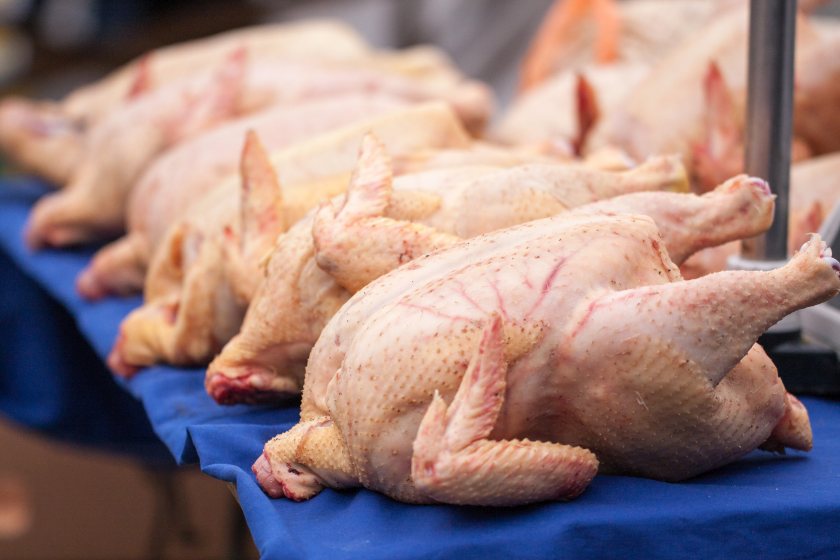
Britain faces fresh pressure from the White House to get chlorinated chicken and hormone-treated meat from the United States into British supermarkets, as President Donald Trump seeks trade concessions in exchange for reviving a broken US-UK technology deal.
The development was first reported by the Telegraph, which reported that the US government is urging Sir Keir Starmer to ease Britain’s food standards after talks on the Transatlantic Technology Partnership collapsed earlier this month.
The move is being led by US trade envoy Jamieson Greer, who is seeking to secure concessions that were not available when a broader UK-US trade deal was finalized in May.
Chlorinated chicken has become a powerful symbol in British politics. The practice of washing poultry with chlorine to kill germs is allowed in the United States but prohibited in the United Kingdom and many parts of Europe.
UK regulators argue that allowing such imports would undermine the UK’s “farm to fork” approach, which prioritizes hygiene and animal welfare standards throughout the manufacturing process, rather than relying on final chemical treatments.
UK farming groups have warned that opening up the market to US poultry would put domestic producers at a serious disadvantage, with cheap US imports threatening to squeeze UK farmers, squeeze margins and accelerate the decline of small family farms.
A source close to the negotiations told the Telegraph that Jamieson-Greer is “trying to use the technology partnership as a lever for concessions in the trade deal that he still wants, but was not accepted in the first round.”
The spat intensified after the United States withdrew from the technology pact over opposition to Britain’s online safety law, which would have imposed excessive regulation on American technology and artificial intelligence companies. The White House is now using the breakdown in technology negotiations to renew pressure on London over access to agricultural markets, according to the Telegraph.
For UK farmers, the risks extend beyond poultry. The United States also wants greater access to hormone-treated beef, another area where British standards are stricter than in the United States.
Farmers’ unions have warned that accepting such imports risks undermining consumer confidence in British food and undermining the premium attached to British produce at home and abroad. Sir Keir has previously treated food standards as a red line that should not be crossed and rejected Mr Trump’s request to allow the use of chlorinated chicken in exchange for lower tariffs.
But pressure has mounted since the White House announced sweeping global tariffs in April, accusing Britain of maintaining “unscientific standards that severely restrict the export of safe, high-quality American beef and poultry products.” The UK’s ban on chlorinated chicken was listed as one of a series of “non-tariff barriers”.
The decision to relax these rules will have significant political and economic consequences. Farming leaders say this not only threatens livelihoods in the poultry and beef sectors, but also sets a precedent for weakening food standards more broadly and could change the future of British farming in future trade negotiations.
