

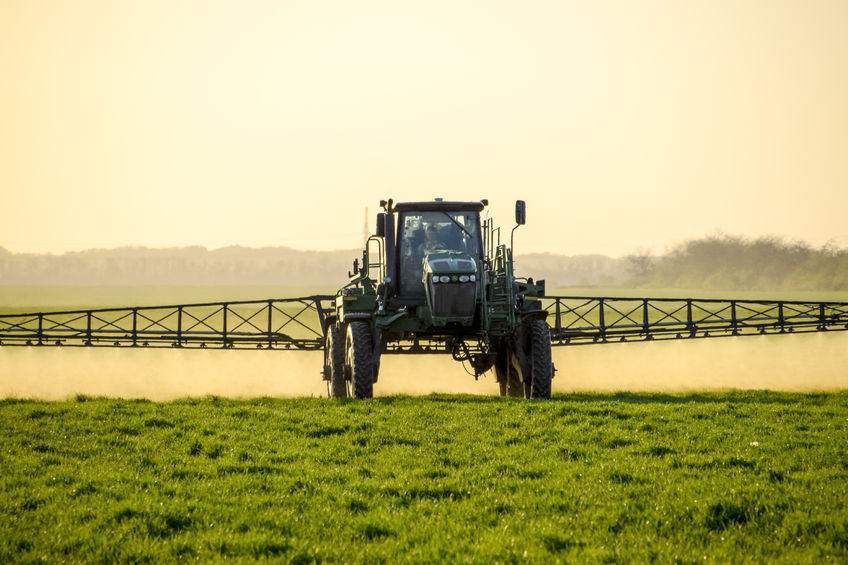
Greenpeace Unearthed has found that pesticides banned in the EU due to their negative effects on cancer and fertility are still approved for use on British farms, as the industry warns that producers could face losses of up to £810 million if the UK rapidly follows European rules.
The dispute centers on plans to bring Britain’s agricultural standards closer to those of the EU under the proposed Sanitary and Phytosanitary (SPS) Agreement, which aims to ease trade barriers after Brexit.
Aligning with European pesticide regulations could mean quickly removing substances that remain authorized in the UK.
CropLife UK, which represents major pesticide manufacturers, is calling on the government to resist what it sees as a hasty transition.
The group identified 14 pesticides that have been banned in the EU since Brexit but are still allowed in the UK, and argued that immediate adjustments could significantly reduce crop yields.
However, Unearthed’s analysis found that 10 of these substances are banned in the EU due to serious risks to human health and the environment.
These include dimethomorph, a fungicide used on strawberries, raspberries and onions in the UK, but banned in the EU after experts concluded it could harm fertility.
Another, Benciavaricarb, continues to be used on UK potato crops despite being banned in Europe after it was proposed to be classified as a carcinogen.
Of the 14 old pesticides CropLife highlighted, two were classified as “reproductively toxic,” four were banned due to groundwater contamination concerns, four posed a high risk to wild mammals and birds, and seven were identified as endocrine disruptors.
Endocrine-disrupting chemicals interfere with hormonal systems and have been linked to low sperm counts in humans, reproductive problems, certain cancers, and even declines in wildlife populations.
“Since leaving the EU regulatory system, UK pesticide standards have gone down significantly, putting public health and wildlife at risk,” said Chloe Alexander from Wildlife and Countryside Link.
He warned that delays in restructuring would delay protection from chemicals linked to “cancer, fertility loss and groundwater contamination.”
Nick Mole, from Pesticides Action Network UK, said the planned SPS deal was an “incredible opportunity” to deliver “a huge economic win for British farmers” by restoring stronger pesticide controls and “regaining easy access” to the UK’s biggest export market.
He added: “Nobody voted for Brexit because they wanted more toxic chemicals in their food and fields.”
Since leaving the EU, the EU has banned dozens of pesticides after detailed scientific assessments, but many of the same chemicals continue to be approved in the UK.
Critics claim the government automatically extended permits rather than conducting a full safety review in every case.
Croplife is seeking what it calls “managed adjustment”, arguing that there should be “little or no change” to UK pesticide rules in the early stages of the SPS agreement.
The report claims that an immediate switch to EU standards in 2027 could cost farmers between £500 million and £810 million in the first year due to reduced yields.
Farmer representatives are also calling for caution against sudden changes in regulations. The NFU warned against a sudden “hard stop” to UK pesticide decisions, saying the transition should be gradual to avoid disruption and give time for adaptation.
But environmental groups argue that bringing Britain’s rules back in line with Europe would both protect nature and support trade.
“We need to listen to the science. These chemicals are banned by the EU for good reason,” said Gemma Lane from the Wildlife Trust.
“They contaminate our water and soil… We cannot build resilient food systems or tackle wildlife decline while relying on these chemicals,” she added.
With SPS negotiations underway, pesticide standards have emerged as one of the most contentious battlegrounds in post-Brexit agricultural policy, with trade access and agricultural productivity pitted against environmental and public health safeguards.
