

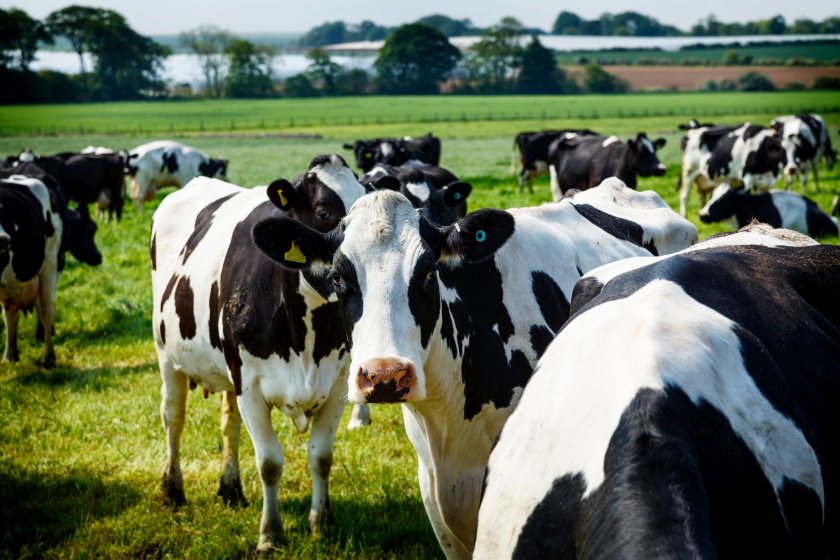
New global standards on land use and carbon removal are set to reshape how the dairy industry measures net zero, and First Milk says the dairy sector must prepare for greater scrutiny.
The land sector and removal standards under the Greenhouse Gas Protocol will come into force from 1 January 2027.
It introduces stricter requirements for calculating greenhouse gas emissions and carbon removal from land use, including soil carbon, and focuses on site-specific data and transparent reporting.
The change comes amid growing concerns about the reliability of carbon claims related to agriculture, particularly soil carbon sequestration.
The updated framework is designed to ensure that removals are more reliably proven and consistently reported alongside emissions.
First Milk welcomed the move, arguing that dairy biological systems require a balanced, science-led approach.
Mark Brooking, the co-operative’s chief impact officer, said: “Dairy farming operates within a biological system and if we are serious about net zero, we need to properly measure both emissions and removals.”
He said the new framework “raises the bar for evidence and transparency, particularly around soil carbon,” adding: “This is important for the dairy industry because trust is key.”
This standard aligns with First Milk’s regenerative agriculture program, which supports its goal of reaching net zero by 2040.
Now in its fifth year, the program covers approximately 100,000 hectares across the cooperative’s membership base.
Farmers have engaged in more than 300,000 regeneration activities aimed at reducing emissions intensity while improving soil health and resilience.
The plan is built around six core focus areas: grazing management, pasture diversity, low carbon feed, reduced use of artificial fertilizers, cattle health and longevity, and hedge and tree management.
“Our regenerative agriculture program is built around six ‘levers,’ and these are the areas that we believe will make the biggest difference in emissions intensity and soil health,” Brooking said.
These measures aim to reduce emissions per liter of milk produced, while enhancing soil carbon stocks and biodiversity.
Financial incentives form an important part of the strategy. Recycling activities have traditionally been rewarded through milk price bonuses associated with carbon removal.
From April 2026, co-ops will also introduce additional bonuses to recognize emissions reductions.
Based on independently assessed annual carbon emissions, we expect an average payout of 0.5, with an opportunity to earn up to 1 for lower-than-average emission intensity.
Although modest compared to overall milk prices, this payment signals a shift towards rewarding not only sequestration but also measurable emissions performance.
“Additional bonuses demonstrate the environmental value created through farming systems that work with nature,” Brooking said.
He warned that removal alone would not effectively bring the situation to zero. “Removals are important, but they cannot offset rising emissions. We need to reduce emissions intensity while improving soil carbon and natural capital. That balance is what credible net zero looks like.”
Alongside our on-farm measures, First Milk is investing in energy efficiency and heat recovery at its dairy plants and working with transport partners to reduce transport emissions.
A new global framework will require more rigorous evidence and reporting from 2027, with dairy companies likely to face tougher data requirements and scrutiny on their carbon claims.
Brooking said the sector is well-positioned to adapt. “The land sector and removal standards suggest the future of carbon reporting in agriculture will be more stringent, and UK dairy farmers are well placed to respond.”
