

JP Morgan Chase “Everything is on the table,” Chief Financial Officer Jeremy Burnham said Tuesday, suggesting the industry may resist President Donald Trump’s calls to regulate credit card prices.
“We have to assume that the flimsy directive to fundamentally change our business turns out to be weakly supported and that ultimately everything is on the table,” Burnham said on a call with reporters after JPMorgan’s fourth-quarter earnings report. “We owe it to our shareholders.”
Burnham responded to a question late Friday about whether banks would choose to sue to block President Trump’s request that card issuers cap interest rates at 10% for one year. Last year, the industry successfully fought the Consumer Financial Protection Bureau’s efforts to cap late card fees.
Banks and industry officials say interest rate caps would reduce spending in the U.S. economy by reducing Americans’ credit card accounts because companies would simply eliminate them rather than offer them at unprofitable rates.
As of this month, the average interest rate on credit cards nationwide is 19.7%, according to Bankrate.com’s weekly survey, but subprime borrowers and store-only cards typically have higher interest rates.
“We believe that this type of action would have the exact opposite effect to what the government wants for consumers,” Burnham said. “Instead of lowering the price of credit, you’re just reducing the supply of credit. That’s going to be bad for everyone: consumers, the economy as a whole, and us.”
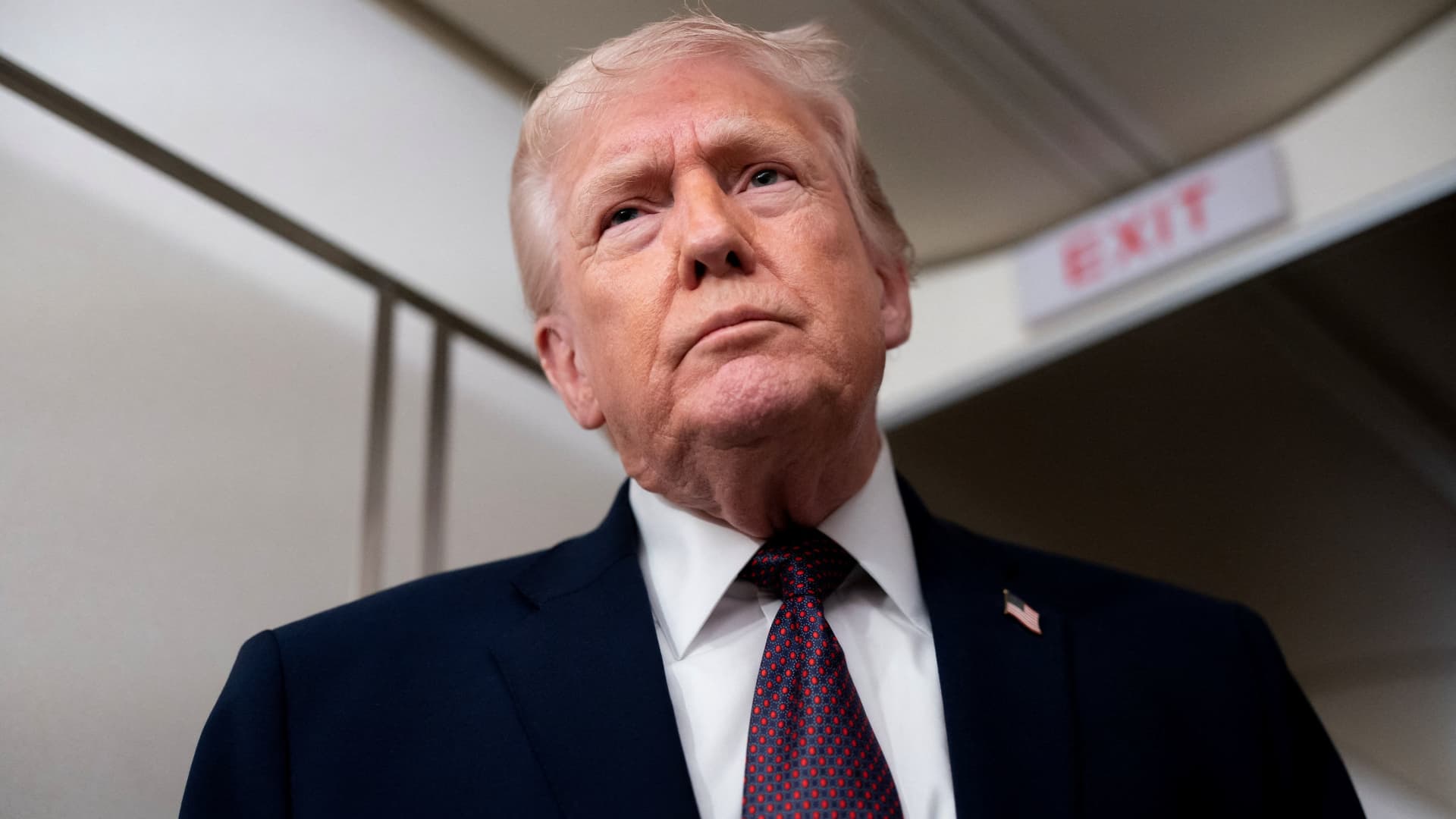
The chief financial officer declined to directly answer questions about whether JPMorgan would comply with President Trump’s request for a proposed Jan. 20 start date. President Trump told reporters on Sunday that banks that don’t comply with the directive are “breaking the law.”
Still, it is unclear how President Trump’s duties will be carried out. There is no law in the United States that caps credit card interest rates, but last year Sen. Josh Hawley of Missouri and Sen. Bernie Sanders of Vermont introduced a bill that would cap card interest rates at 10% for five years. The bill is stalled in Congress.

