

Farmers across the UK are facing big decisions sooner than planned, as 2026 marks a decisive year for investment, succession and long-term resilience.
NatWest’s UK Agriculture 2026 Outlook warns that the sector is moving into a decisive phase, where choices around technology, talent and supply chain relationships will increasingly determine which companies thrive and which fall back.
The report suggests that after years of instability, from extreme weather events to rising costs, agriculture is no longer simply absorbing shocks, but is facing rapid structural change.
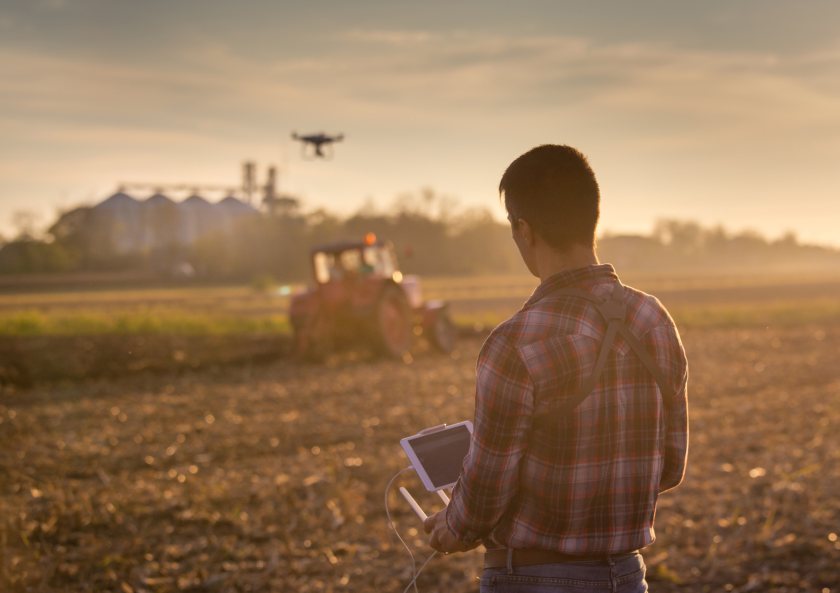
Technology is at the heart of that change. Artificial intelligence, robotics and digital traceability are no longer theoretical concepts, but are already practical tools that are reshaping the way some farms operate, impacting everything from input decisions to regulatory compliance.
But adoption remains uneven. While early companies are incorporating data into day-to-day management, others remain cautious, weighing costs, risks, and returns. The gap between the two is becoming increasingly pronounced, with the focus now being on how quickly farms can adapt, rather than whether change is necessary at all.
Pressure on skills, talent and succession is also increasing. New generations are entering agriculture with different expectations for work, leadership and business performance, often bringing sharper commercial instincts and a willingness to challenge established norms.
However, attracting and retaining skilled staff remains a persistent challenge, particularly as wage costs rise and rural living becomes a barrier to recruitment. NatWest’s outlook suggests that farms that fail to prioritize people risk constraining productivity and delaying succession at a critical time for both.
Supply chains are undergoing a parallel transformation. Transparency, traceability and sustainability are no longer optional additions, but fundamental requirements set by retailers and processors.
Data is just as valuable as physical produce, and the most resilient farms are those that treat their supply chain as a partnership rather than a transactional relationship. Long-term contracts and risk sharing are increasingly seen as important tools to manage volatility and protect margins.
Sustainability and regenerative agriculture are moving from aspiration to action, but progress remains cautious. The need to improve soils, biodiversity and carbon emissions is widely recognized, but policy and financial uncertainty continue to slow large-scale change. Many farmers are testing new approaches in stages, balancing environmental ambitions with commercial realities.
In addition to these changes, significant headwinds continue. Inheritance tax reform has accelerated discussions about inheritance and capital planning, often sooner than families expected.
While two years of severe weather have put many arable businesses under cash flow pressure, climate risk is now seen as a permanent feature of agriculture rather than an intermittent threat. Against this backdrop, demands for clarity and consistency from governments are increasing.
Despite the challenges, there is a cautious sense of opportunity in NatWest’s outlook. The companies that are moving forward are not necessarily the biggest, but they are the ones that adapt quickly, collaborate effectively, and stay on top of their finances. They see technology as a practical tool, invest intentionally in their people, and build supply chain relationships that go beyond price.
Ian Barrow, head of agriculture at NatWest Group, said the direction of the sector was clear. “Agriculture is at a crossroads. The choices we make now to embrace technology, invest in talent and collaborate will define the sector for years to come.”
As 2026 approaches, productivity, resilience and sustainability are no longer long-term goals, but immediate tests of business strategy. The challenge for British agriculture is not to abandon tradition, but to act decisively to shape a stronger future, using confidence, collaboration and informed investment.
