

Tesla’s energy storage business saved it from a disastrous earnings report.
The company’s profits last year fell 45% compared to 2024, mainly due to lower sales of electric vehicles. Although investors had expected sales to decline, Tesla still beat Wall Street’s profit and revenue expectations thanks to its energy storage business.
Tesla has installed a record 46.7 gigawatt-hours of energy storage products in 2025, an increase of 48% from last year, according to the company’s official filings.
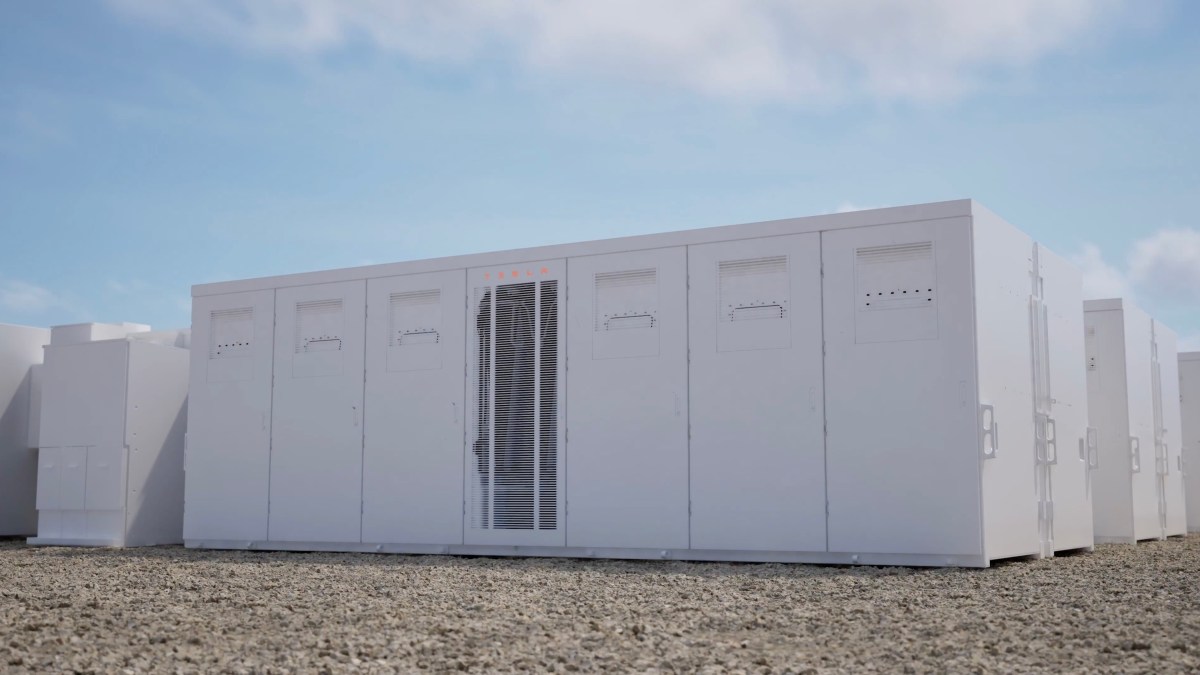
Large stationary batteries and solar power equipment, such as the Megapack and Powerwall, now account for nearly a quarter of Tesla’s gross profit. Last quarter alone, MegaPack contributed $1.1 billion of the storage business’s annual gross profit of $3.8 billion. Storage and energy generation revenue increased 26.5% to $12.8 billion.
These batteries and solar panels are also highly profitable, with a gross profit margin of 29.8%, nearly double the profit Tesla makes from selling cars and trucks.
Storage will continue to play a larger role in the company’s near future.
Large-scale energy storage projects, such as those installed in utilities or data centers, tend to be milestone-based, with revenue from the project recognized when specific milestones are achieved. Tesla said in its 10-K filing with the SEC that it expects to recognize $4.96 billion in deferred revenue this year from projects already underway. This is more than double the amount the company recognized as deferred revenue from storage projects in 2025.
tech crunch event
boston, massachusetts
|
June 23, 2026
However, there are some hurdles ahead.
The One Big Beautiful Bill Act (OBBBA) phased out tax credits for residential energy storage systems such as Powerwalls, but continued commercial tax credits for Megapack and Megablock products through the mid-2030s. OBBBA’s tariffs and provisions also threaten to increase battery cell prices, the company said. Although sales increased due to higher sales volumes, the average selling price of mega packs fell, indicating increased competition in the energy storage market.
Overall, though, Tesla remains optimistic about its storage business.
“Despite these challenges, our energy storage products have an opportunity to stabilize the grid, shift energy when it’s needed most, and provide additional power capacity as AI infrastructure drives rapid load growth,” the company said in its earnings report.
