

Farmers are appealing to ministers to crack down on illegal meat smuggling, amid warnings that weak enforcement at Britain’s ports is leaving the livestock sector vulnerable to devastating disease outbreaks.
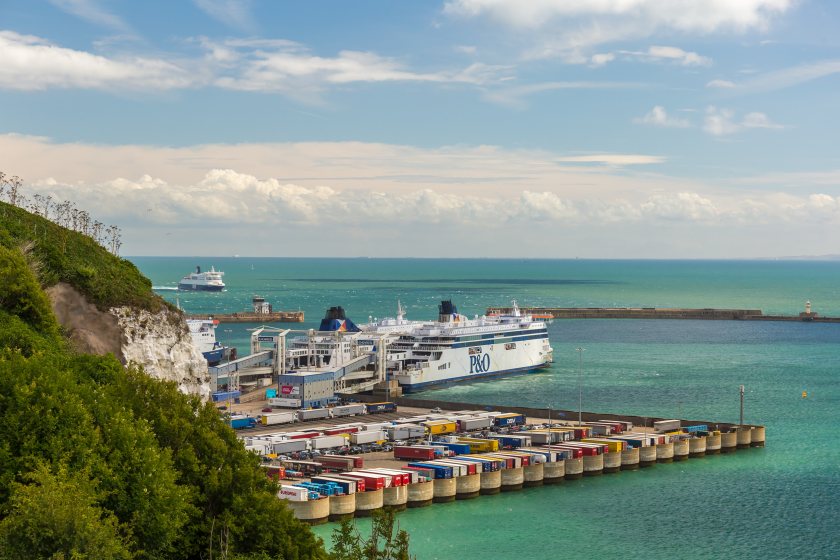
Liberal Democrat MP Danny Chambers challenged the government, arguing there were significant gaps in the powers given to authorities to deal with illegal meat entering the country through ports such as Dover.
Mr Winchester warned that unregulated imports posed a significant biosecurity risk and increased the threat of notifiable diseases such as foot and mouth disease and African swine fever reaching the UK.
For livestock farmers, the arrival of a notifiable disease could mean immediate movement restrictions, mass culling, and the loss of hard-won export markets, with serious implications for farm operations and rural economies.
Illegal imports of meat, often brought into the UK in personal baggage or unregulated shipments, pose a risk of introducing diseases that can disrupt agriculture and disrupt food supply chains.
Concerns about smuggled meat have been repeatedly raised by the farming industry, with groups warning that current enforcement measures fail to protect farmers who invest heavily in biosecurity for their properties.
Dr Chambers said he saw the problem firsthand during a recent visit to the Port of Dover organized by the National Pig Association, where he was seen seizing illegal meat products.
Farmers have long argued that while there are strict regulations, inspections and penalties on-farm, those smuggling illegal meat into the UK face little meaningful deterrence at the border.
Speaking in a parliamentary debate, Dr Chambers called on ministers to properly fund and equip port teams and give them the powers they need to stop illegal imports.
“One of the crimes that farmers in Hampshire and across the country are most concerned about is the illegal importation of meat,” he said.
He warned that the issue goes beyond public health, adding: “This is not just a public health issue, it puts the UK livestock industry at risk of outbreaks of notifiable diseases such as foot and mouth disease.”
Dr Chambers highlighted what he said was a fundamental flaw in the current enforcement system. “If I were to be caught driving illegal meat into the UK in a truck, the authorities would not have the power to arrest me and would not be allowed to seize the truck,” he said.
Instead, he said he would clean and disinfect the vehicle “at taxpayers’ expense before sending me on my way.”
“Will the Minister agree that this is absolutely wrong, and will he consider how we can equip our hard-working teams at the ports with the necessary powers to provide the appropriate deterrent to stop this meat coming in?” he asked.
In response, Police and Crime Minister Sarah Jones said the issue was “of course very important”. “We need to stop illegal meat from entering the country,” she says.
He added that Defra and his colleagues on the front bench would “obviously take these matters seriously” and said he was “very pleased to be able to take this matter further and return to the Honorable Gentleman.” But she did not commit to immediately changing executive powers.
Last year, the Environment, Food and Rural Affairs Committee warned that there were no effective deterrents to stop illegal meat smuggling and called on Defra to urgently introduce fines and prosecutions for repeat offenders.
The committee warned that without tougher penalties and enforcement, the UK remains vulnerable to large-scale disease outbreaks that could undermine years of breeding, investment and biosecurity efforts by British farmers.
