

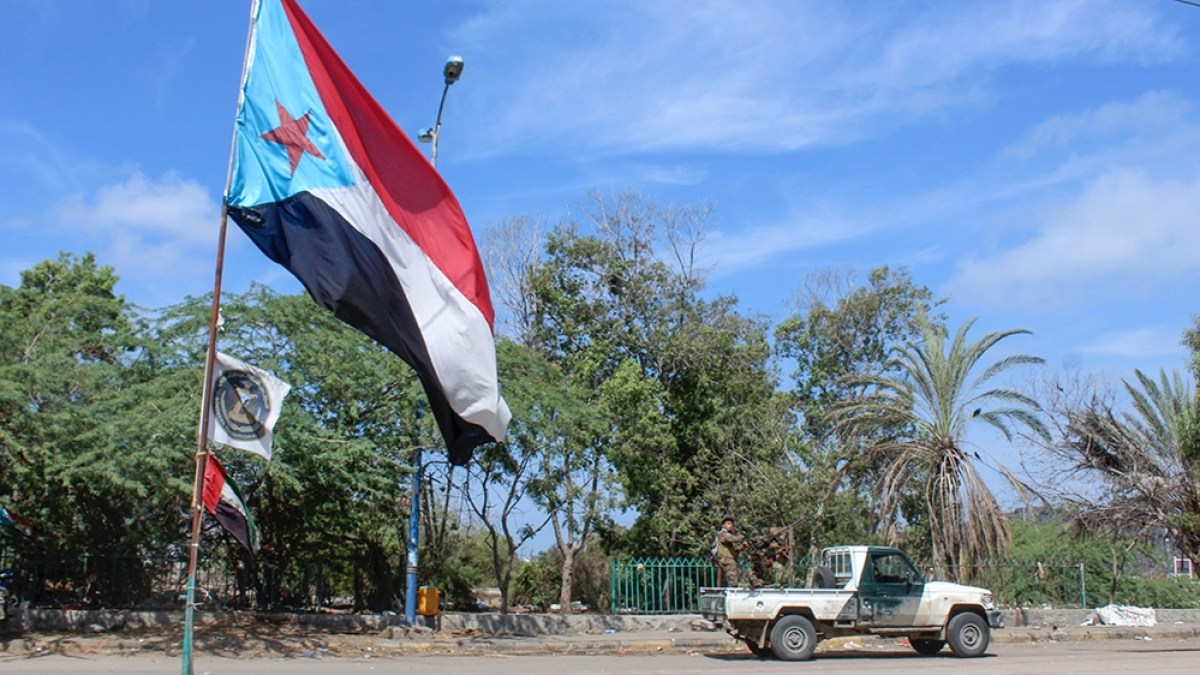
The statement came a day after Saudi Arabia directed Yemeni separatists to withdraw from eastern provinces they seized this month.
Published December 26, 2025
The UAE Ministry of Foreign Affairs said the UAE welcomes Saudi Arabia’s efforts to support security and stability in Yemen and remains committed to supporting stability in the country.
Friday’s UAE statement came a day after Saudi Arabia said it expected Yemen’s main southern separatist group, the Southern Transitional Council (STC), to de-escalate and withdraw troops from the eastern provinces of Hadramawt and Al-Mahra.
Recommended stories
list of 3 itemsend of list
The STC had previously received military and financial support from the UAE, but earlier this month it ousted the Saudi-backed internationally recognized government from its headquarters in Aden, asserting broad control across the south.
“The UAE reaffirmed its firm determination to support all efforts aimed at strengthening stability and development in Yemen,” the Emirati Ministry of Foreign Affairs said in a statement.
On December 12, a joint Saudi-Emirati military delegation arrived in Aden to discuss measures aimed at easing tensions in the country.
Saudi Arabia said a team had been dispatched to make “necessary arrangements” to ensure the return of STC troops to their original locations outside the two provinces, adding that efforts were still ongoing.
The STC’s advance threatens to spark a conflict within the fragile coalition that has been fighting Iran-backed Houthi rebels in northern Yemen for a decade.
The separatists were originally part of the coalition that intervened in Yemen against the Houthis in 2015. However, this group rebelled against the government and sought autonomy for the south.
Yemen has been in a civil war since 2014, with the Houthis taking control of northern Yemen, including the capital Sanaa, after fleeing the Saudi-backed government south.
Yemen, located between Saudi Arabia and the important Red Sea shipping route, was divided into northern and southern provinces until 1990.
