

summary
U.S. Energy Secretary Chris Wright meets with Venezuelan officials, Chevron, Repsol executives, visits after Maduro detention, $2 billion oil deal The U.S. aims to reshape global energy markets and put pressure on Russia, analysts say
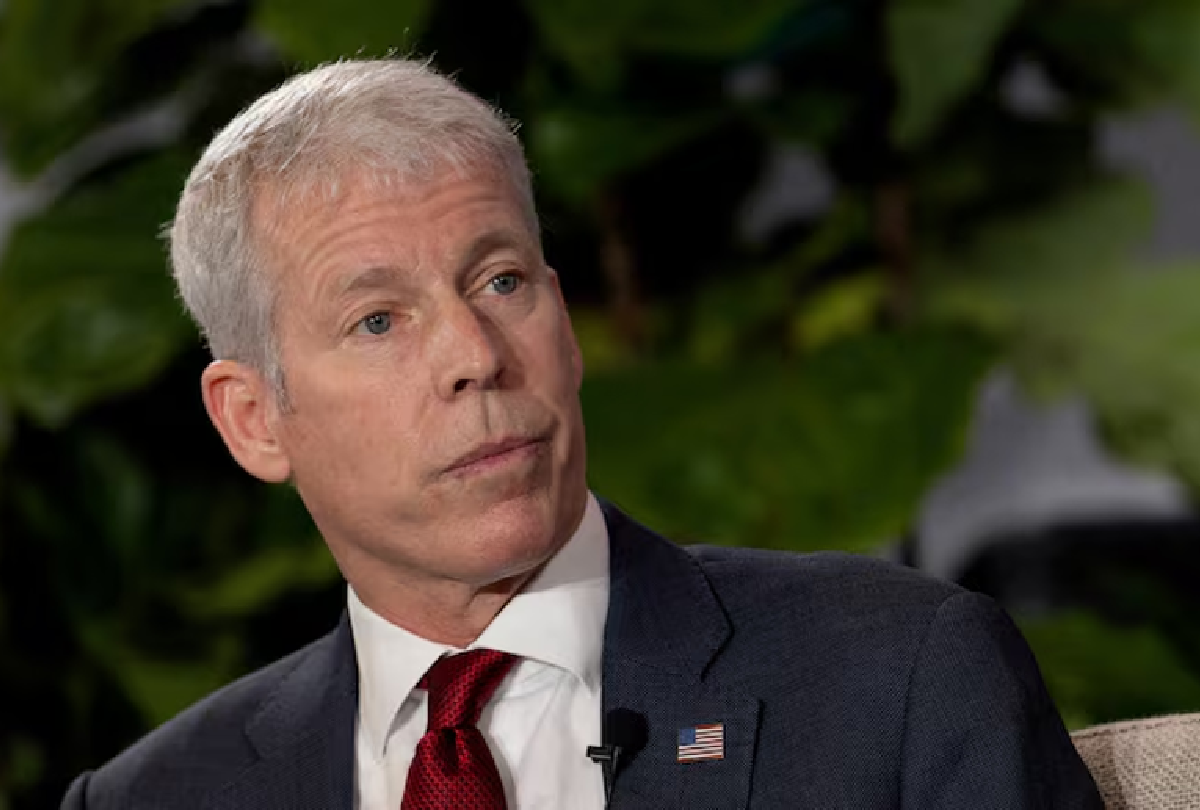
(Reuters) – Venezuela is set to host U.S. Energy Secretary Chris Wright this week, the highest-level U.S. visit in nearly 30 years to focus on energy policy for the OPEC member as he conducts the first on-site assessment of the oil industry the U.S. is proposing to rebuild.
Wright is scheduled to land in Caracas on Wednesday, a day after the United States issued a general permit allowing oil and gas exploration and production in Venezuela. His agenda is expected to include meetings with Interim President and Oil Minister Delcy Rodríguez, senior government officials and executives from companies including Chevron and Spain’s Repsol, according to people familiar with the preparations.
Wright will stay until Friday, meeting with local consumer goods companies before visiting Petropia, the largest oil project operated by Chevron and state energy company PDVSA in Venezuela’s Orinoco Belt, a major oil region.
The visit follows the capture of President Nicolás Maduro by the U.S. military in early January, the $2 billion major oil supply agreement reached by the U.S. and Venezuela shortly after, and a $100 billion restructuring plan for the country’s energy industry promoted by President Donald Trump.
Mr. Wright faces the daunting task of orchestrating the rebuilding of Venezuela’s ailing oil industry after decades of underinvestment, mismanagement and harsh U.S. sanctions, with U.S. investors at the forefront. Although the high-profile opposition leader was released earlier this week, he was rearrested hours later, leaving him to face an extremely volatile political situation.


Thomas O’Donnell, an energy geopolitics analyst, said the trip reflects America’s long-term geopolitical interest in Venezuelan oil as it seeks to reshape global energy markets while putting pressure on Russia.
He said the Trump administration is moving beyond simply isolating Venezuela from Russian and Chinese influence, to pursuing what he called “the doctrine of American energy dominance,” which could ultimately provide the U.S. ability to take Russian oil offline if geopolitically necessary.
He added: “This is an aggressive geostrategic and geoeconomic plan to capitalize on America’s oil wealth and work with Saudi Arabia, the United Arab Emirates, other Gulf states, Venezuela and Guyana to reshape the global oil market.”
Venezuela’s parliament last month approved sweeping reforms to the country’s main oil law, giving foreign producers operational and financial autonomy as a first step to boosting investment.
“This whole thing…is like doing an impossibly difficult high dive, or an impossibly difficult flip on a freestyle ski. All we can do is hope for success,” Sen. John Hickenlooper, a Democrat from energy-rich Colorado, told reporters after Wright’s secret briefing on Tuesday.
Reporting by Marianna Paraga, Nathan Crooks, Sheila Dunn, Timothy Gladner and Reuters staff. Editing: Chris Reese
Share this:
