


(Reuters) – Shares of U.S. oil companies soared on Monday, boosted by the prospect of access to Venezuela’s vast oil reserves, after President Donald Trump said the United States would take control of the South American nation following his arrest.
Venezuela boasts the world’s largest oil reserves, but production has plummeted in recent decades due to the nationalization of the oil industry, mismanagement due to sanctions, and restrictions on foreign investment.
“We’re going to get a very large American oil company, the largest in the world, to come in and start making money for the country by spending billions of dollars to fix our badly damaged infrastructure, our oil infrastructure,” President Trump said Saturday after U.S. forces seized Venezuelan President Nicolas Maduro from Caracas.
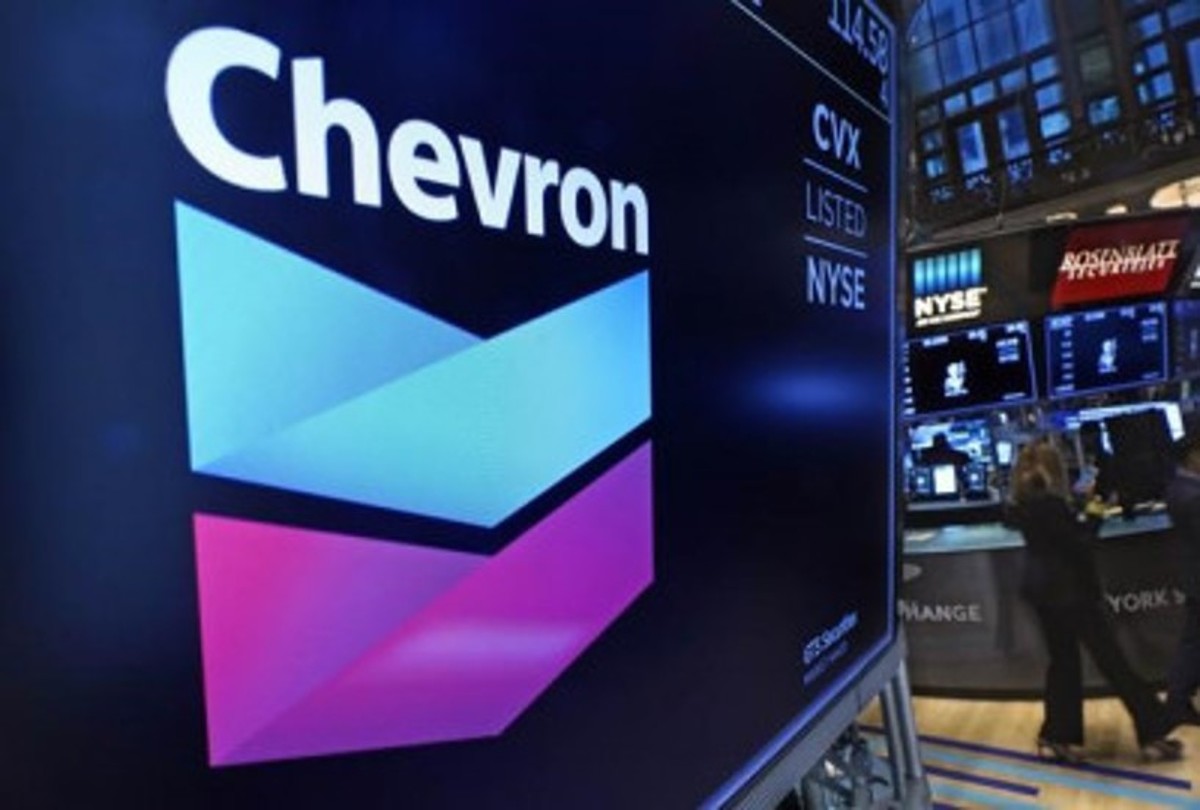
Shares of Chevron, the only major U.S. company currently operating in Venezuela’s oil fields, rose 7.3% in premarket trading, while oil refiners Phillips 66, Marathon Petroleum, Valero Energy and PBF Energy rose 5% to 16%.
However, oil prices were mostly flat on Monday as ample global supplies continued to weigh on the market despite uncertainty over oil supplies from Venezuela.
President Trump said the embargo on Venezuelan oil will remain in place for the time being.
Venezuelan crude oil has a high sulfur content and heavy acidity, making it suitable for diesel and heavy fuel production, although it has lower profit margins than other grades, especially crude oil from the Middle East.
“This type of crude aligns well with the configuration of U.S. Gulf Coast refineries that were historically designed to process such grades,” said Ahmad Asiri, research strategist at Pepperstone.
Chevron’s presence in Venezuela with a U.S. exemption could make it an early beneficiary of the policy shift, while refiners stand to benefit from increased availability of heavy crude oil closer to home.
return of assets
JPMorgan analysts said the U.S. action could also pave the way for the return of assets seized by Venezuela in 2007 under late president Hugo Chávez.
ConocoPhillips and ExxonMobil have important arbitration awards pending and said recovery is likely.
“In total, ConocoPhillips has unpaid damages approaching $10 billion, while Exxon’s unpaid damages appear to be in the $2 billion range, compared to an original $15 billion-plus claim,” analysts said.
Stock prices reflected the optimism, with ConocoPhillips up 7.5% and Exxon up 4.3%.
Shares of oilfield services companies whose technology is essential to expanding Venezuela’s oil production also rose. Baker Hughes (BKR.O) opens in new tab, Halliburton and SLB rose 7% to 9%.
Still, analysts warned that any meaningful recovery is likely to take time, given political uncertainty, aging infrastructure and years of underinvestment.
Venezuela produced 3.5 million barrels per day (bpd) in the 1970s, accounting for more than 7% of world production.
Production fell below 2 million barrels per day in the 2010s and averaged about 1.1 million barrels per day last year, about 1% of global supply.
Share this:
