

“Trials” of a new country
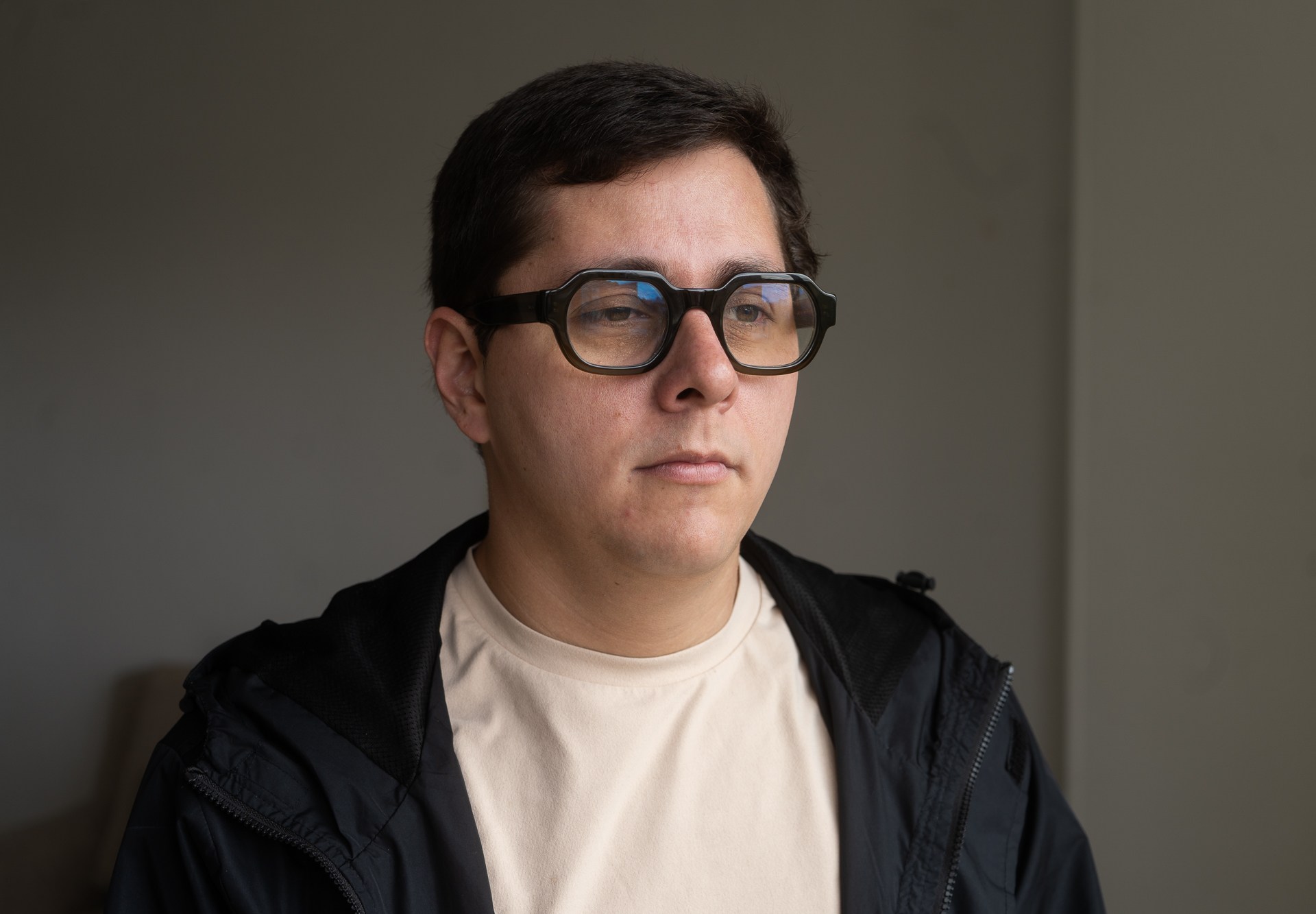
This longing is echoed by Angelica Angel, a 24-year-old student activist in exile.
She grew up in Venezuela surrounded by tear gas and police brutality. After all, she had started protesting at the age of 15.
“They pointed guns at me, beat me, almost arrested me. That’s when you know they have no limits. They target the elderly, women and even young girls,” Angel said.
However, increasing political repression eventually made her life in Merida, a student city in western Venezuela, unsustainable.
After the controversial 2024 presidential election, Angel decided to express his anger on social media.
Maduro had insisted on a third term despite evidence that he lost in a landslide. The opposition coalition obtained copies of more than 80 percent of the country’s voter tallies, showing that opposition coalition candidate Edmundo Gonzalez won the election.
Protests erupted again, and Maduro’s government once again responded with force.
Military and security officials have detained around 2,000 people, including opposition leaders, journalists and human rights lawyers.
After Angel took to TikTok to denounce arbitrary detention, she began receiving daily threats.
During the day, anonymous phone calls alerted her to an impending arrest. At night, he could hear pro-government gangs patrolling around his house on motorbikes.
Fearing detention, she fled to Colombia in August 2024, leaving behind her family and friends.
But living outside Venezuela has given her a new perspective. She came to realize that the threats, persecution, and violence she had lived with were not normal in democracies.
“When you leave your house, you realize it’s not normal to be afraid of the police or unknown phone calls,” Angel said, her voice shaking. “I’m scared to go back to my home country and go back to that reality again.”
Angell believes that exiled Venezuelans must meet certain criteria in order to return safely. The interim government must end arbitrary detentions and allow opposition members, many of whom have fled Venezuela, to return home.
Only then, she explained, will Venezuela be able to overcome President Maduro’s legacy.
“Whether exiles can return is the real test of whether a new country is taking shape,” she says.
