

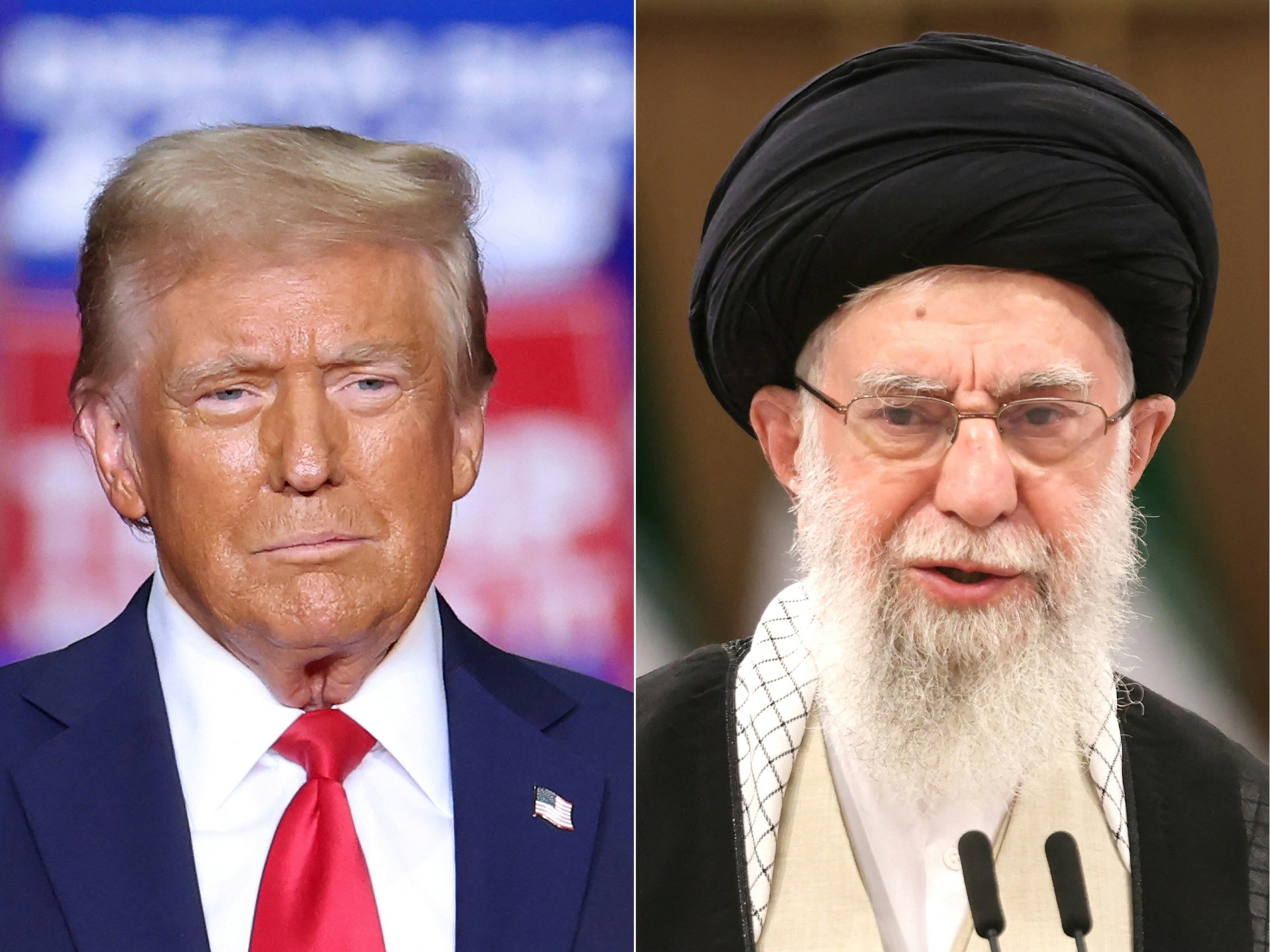
With President Trump sending mixed messages, Iran wants talks with the United States to stabilize before inviting regional countries to join.
TEHRAN, Iran – In Tehran, the question is no longer whether diplomacy is underway, but whether it can act quickly enough to preempt escalation.
Iranian officials told Al Jazeera that Oman has been confirmed as the venue for the next round of Iran-US talks, scheduled for later this week.
However, the official admitted that other regional countries will not participate in the negotiations at this time, despite proposals to include them.
Iran’s reluctance so far to involve regional countries in talks stems not from a desire to be exclusive but from concerns that involving more parties “risks turning the process into a political showdown rather than focused negotiations,” the official said.
Rather, the official added, Iran hopes that the format of the talks with the United States will stabilize first.
Regional mediators involved in this process have different views. They see their role not as mediators of current negotiations, but as potential guarantors of future settlements. After all, these countries have their own stability directly affected by the crisis between the United States and Iran.
This marks a clear break from the 2015 nuclear deal, which was built on the logic of transactional arms control. In 2026, tensions are entirely military in nature. Local actors are no longer peripheral observers. They have a direct strategic interest in containment, de-escalation, and spillover prevention.
The timing reflects that change. In recent days, Iran and regional countries have stepped up diplomacy. Ali Larijani, Chairman of Iran’s Supreme Council for National Security, visited Moscow on June 30th to meet with Russian President Vladimir Putin. Iranian Foreign Minister Abbas Araghchi held talks in Istanbul last Friday.
In light of these talks, Qatari Prime Minister Sheikh Mohammed bin Abdulrahman bin Jassim Al Thani visited Tehran over the weekend. Shortly after, Larijani publicly stated that a structured negotiating framework was beginning to take shape.
Sources said what is currently being prepared is a roadmap towards a comprehensive agreement, rather than a partial or interim deal.
But Washington remains ambiguous. “Iran is talking to us and we’ll see if we can do something. If not, we’ll see what happens,” US President Donald Trump told Fox News this week. This message was sustained by a combination of diplomatic engagement and pressure, using uncertainty as a lever.
Does this mean the risk of war is over? No, but it was a setback, albeit a temporary one.
Even confidence-building measures such as transferring Iran’s highly enriched uranium stockpile and down-blending will not resolve the core conflict. Key issues remain unresolved, most notably the broader question of Iran’s ballistic missile program and its regional deterrent capabilities.
Now comes the real negotiation. The United States no longer seems interested in agreements that merely manage risk. Iran does not want an agreement that is tied to a single presidency or one that is easy to withdraw. What both sides are currently considering is whether structural concessions can be exchanged for structural guarantees. Everything else is secondary: format, venue, participation, etc.
For now, diplomacy is progressing, the war has been postponed, and the window remains open. Whether it stays this way depends on whether the material follows its structure.
