

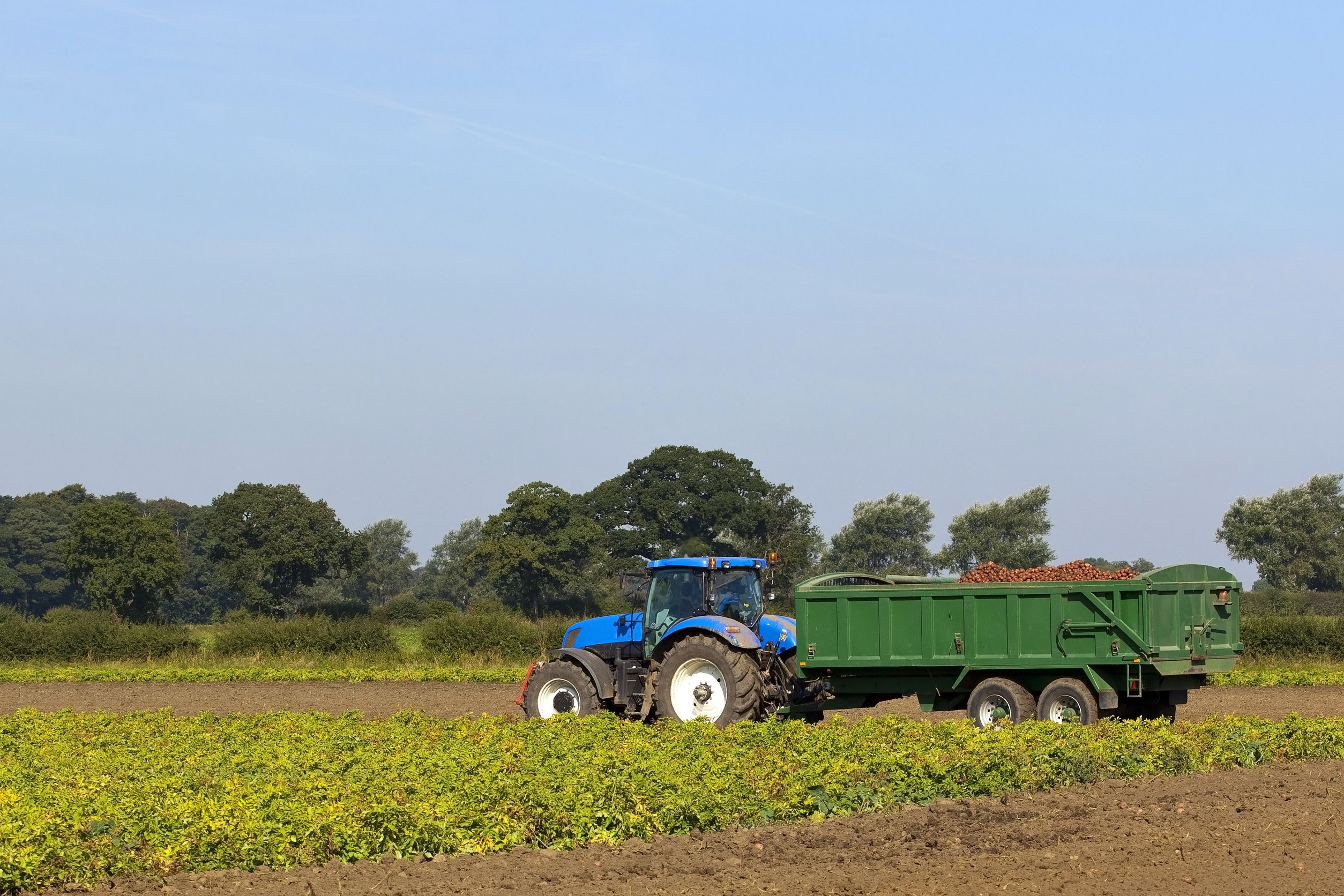
Activists warn that working farmers on modest incomes are being pushed into the tax bracket of the super-rich after the October 2024 budget sees many farmers facing inheritance tax payments that could devastate family farms.
Fairer Family Farming, a new grassroots coalition of working farmers, claims individuals who earn a fraction of the UK average household income will be “treated as millionaires” under the Treasury’s plans.
The group says this approach is neither fair nor sustainable, and says ministers should increase income from “those who seek to avoid family farms” rather than jeopardize their future.
Farmers say their sector supports rural livelihoods, boosts local economies, provides skilled jobs and sustains entire communities. Many people live on the land they work, often on farms that have been passed down through generations. However, half of farmers earn less than £50,000 a year, and more than a third earn less than £25,000.
Older farmers fear they will be faced with impossible choices under inheritance tax reforms that come into effect from April 2026. Retiring and taking over a farm could mean losing the right to continue living in the home or to receive pension income from the land.
However, if things continue as they are, there is a risk that the children will be left with a price that cannot be paid unless the farm is sold or demolished. Campaigners say the system has “created a lottery ticket”, with families’ futures dependent on whether they die before April 2026 or within seven years thereafter.
The government is facing growing anger across the farmer community. More than 12,000 people have written to MPs and farmers are planning a major tractor protest in London ahead of the Prime Minister’s Autumn Budget on November 26th.
The proposed policy would cap inheritance tax relief on agricultural and business properties at £1 million, with only 50% relief for assets above that threshold.
Industry leaders have warned that this will force many families to sell their land or demolish their old farms to pay hefty taxes, a move they say could destroy rural economies and generations of traditions.
Farmers emphasize that their work cannot be reduced to a financial asset class. The sector contributes £13.7 billion to the UK economy each year and supports around 500,000 jobs, around one in 70 people. It is at the heart of the nation’s food security and plays a critical role in keeping food affordable.
There are also growing concerns that current rules are putting more farmland into the hands of anonymous offshore owners. Activists say this not only deprives local communities of economic value, but also increases national security risks.
With 69% of UK land classified as agricultural land and military land often adjacent to farmland, they warn that as drone and surveillance technology evolves, foreign powers could exploit land purchases for surveillance purposes.
While ministers rightly recognize that farmland is being used as a tax haven, farmers argue that the government’s solution will disadvantage working families, not passive investors.
A study by CentTax (Center for Tax Analysis) offers what they call a “viable alternative.” It is a minimum distribution rule that only allows tax relief if farm or business assets account for at least 60% of the estate.
According to CentTax, this approach would shift the burden onto those who use farmland purely to avoid taxes, increase income from those most able to pay, and protect working family farms whose incomes remain below the national average.
Campaigners say the choice is now clear: restore a fairer system or risk dismantling the fabric of Britain’s rural economy.
