

summary
Wright criticizes EU and California green energy policies; EU rolls back corporate sustainability laws as state regulations pressure Occidental to pull out of California
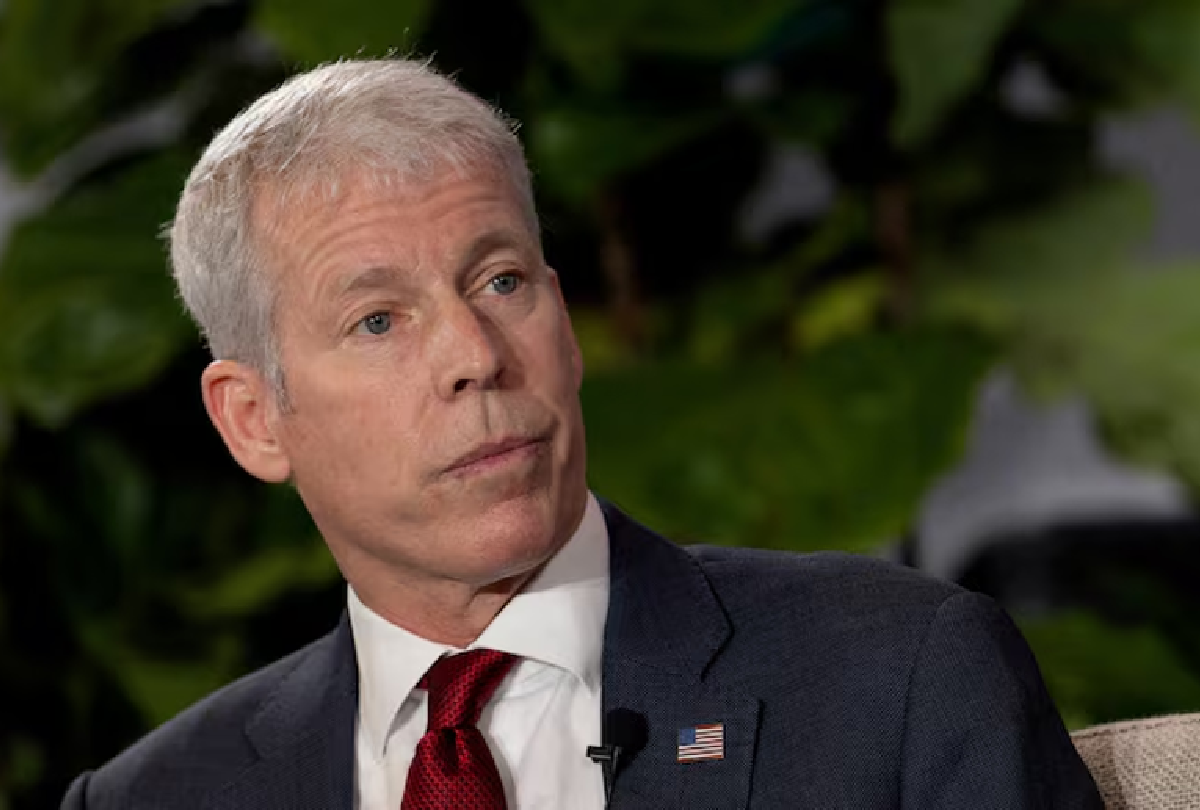
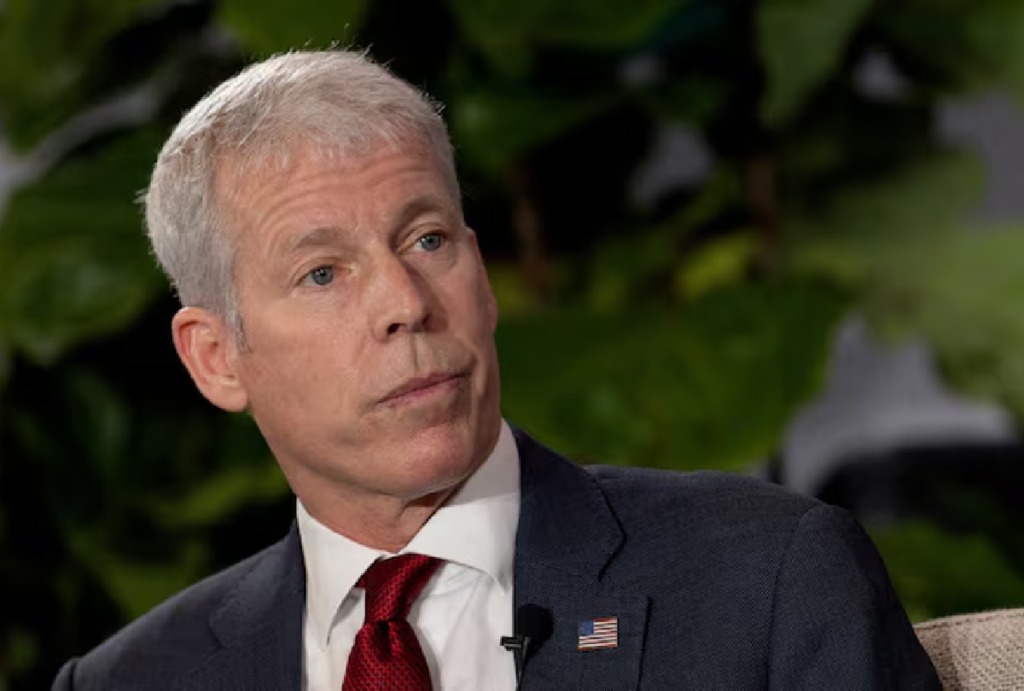
(Reuters) – U.S. Energy Secretary Chris Wright said on Thursday the world needs to more than double oil production, criticizing the European Union and the U.S. state of California for wasting money on what he described as inefficient green energy.
In recent years, the World Economic Forum’s energy debate has focused on how to promote low-carbon policies. But when Wright spoke in Davos with Vicki Holub, CEO of energy company Occidental, she emphasized that the world will be dependent on oil for decades to come.
Wright said environmental regulations for companies in the European Union pose risks to energy cooperation with the United States.
“These regulations put you (U.S. producers) at risk of shipping gas to Europe in terms of liability,” Wright said. “We are working with our colleagues here in Europe to remove these barriers.”
The EU requires oil and gas importers into Europe to monitor and report the methane emissions associated with their imports in order to curb greenhouse gas emissions.
After months of pressure from businesses and governments, the European Union agreed last month to significantly roll back two key pieces of legislation: the Corporate Sustainability Reporting Directive and the Corporate Sustainability Due Diligence Directive.
wrong energy policy


By increasing natural gas production and investing in LNG export terminals, the United States is in a position to replace Europe’s Russian gas imports, which declined after the outbreak of the Ukraine conflict in 2022, Wright said.
He criticized California’s energy policy for being similar to Europe’s.
“If California hadn’t made the wrong energy policy…what would have happened to California’s residents and what would have been their quality of life?” Wright said.
According to the latest data from the U.S. Energy Information Administration, California’s crude oil production in 2024 will be 300,000 barrels per day, almost half that of 10 years ago. Its production peaked in 1985 at 1.1 million barrels per day, according to EIA data dating back to the early 1980s.
Hollub said Occidental pulled out of California because of state regulations. In 2014, Occidental spun off its oil and gas assets in the state and moved its headquarters from Los Angeles to Houston.
California is isolated from refining centers along the U.S. Gulf Coast and in the Midwest, resulting in volatile energy prices.
According to the International Energy Agency, global oil supply last month was 107.4 million barrels per day.
Reporting by Stephanie Kelly, Shadia Nasrallah and Dmitry Zhidanikov. Editing: Joe Bavier, Kirsten Donovan
Share this:
